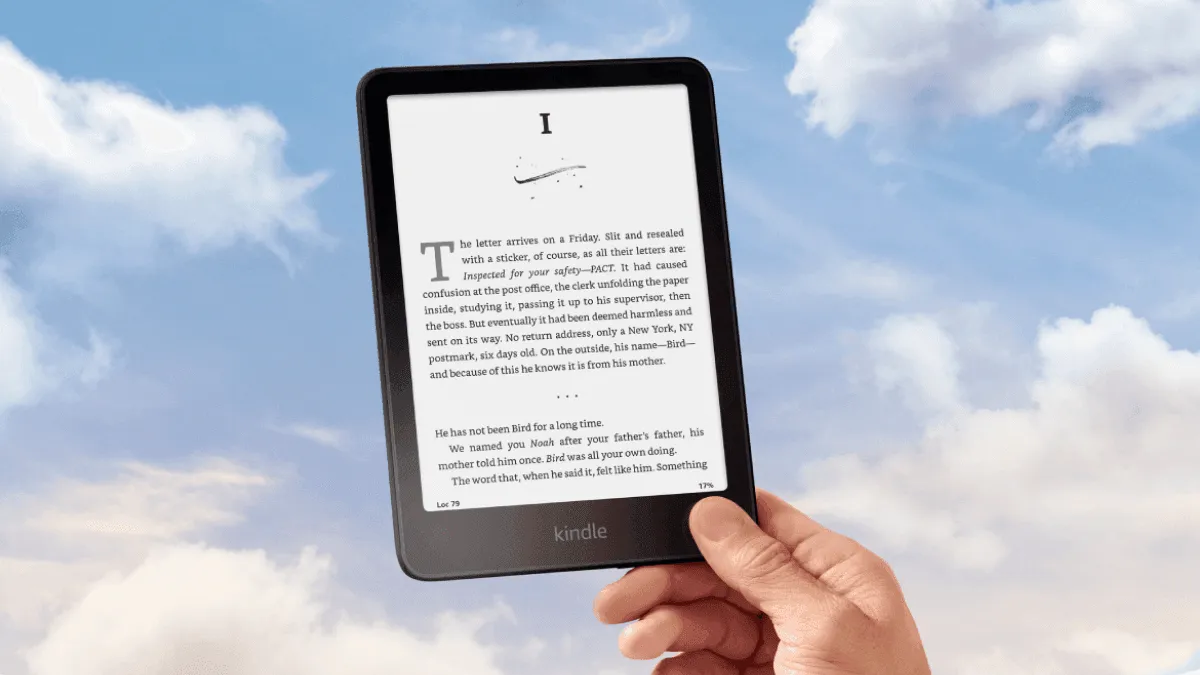
I upgraded to the 12th-generation Kindle Paperwhite from a 2018 model that was honestly still working fine, and I’ll admit — I was nervous I’d regret spending the money for what seemed like incremental changes on paper. A month of daily reading later, I don’t regret it at all.
Specs at a Glance
| Feature | Kindle Paperwhite 12th Gen |
|---|---|
| Screen | 6.8” E Ink Carta 1300, 300 PPI |
| Front Light | 17 LEDs, adjustable warm light |
| Waterproof | IPX8 (2m, 60 min) |
| Storage | 16 GB |
| Weight | 205g |
| Battery | Up to 10 weeks |
| Charging | USB-C |
| Price | $149.99 |
| Release | October 2024 |
The first thing I noticed was the warm light. My old Paperwhite had a blue-white front light that felt clinical at night, and I’d end up squinting at my phone instead because it was somehow less harsh. The 2024 model lets you dial the warmth from cool white all the way to a deep amber that genuinely feels like reading under an incandescent lamp. I keep mine set to a gentle candlelight tone after 9pm, and it’s changed my bedtime reading habit completely. The 17-LED array (up from 11) also means the light is perfectly even at low brightness — no more slightly-shadowy corners when I’m reading in a dark room.
USB-C finally arrived on the mid-range Kindle and it sounds trivial, but after years of keeping a single micro-USB cable tucked in my desk drawer solely for my e-reader, the relief is real. Now I charge it with the same cable as my laptop, my headphones, and everything else I own.
The 6.8-inch, 300 ppi screen is sharper and more contrasty than my old model, though the jump from the 11th-gen is smaller. What I do notice is the slightly larger screen real estate — next to my friend’s Kobo Clara BW, those extra 0.8 inches mean about 15% more text per page. If you’re deciding between the entry-level and the Paperwhite, our Kindle Basic vs Paperwhite comparison breaks down every difference. I read with a comfortably large font and the fewer page turns actually add up over a novel.
Amazon’s software ecosystem is still the main reason to buy a Kindle. (For a full breakdown of how each generation stacks up, see our Kindle generations comparison.) Whispersync between my Paperwhite and the Kindle app on my phone is smooth — I’ll read a chapter on the couch, then pick up exactly where I left off while waiting in line at the pharmacy. Goodreads integration lets me track reading progress and share quotes without pulling out my phone. And the Kindle Store, for all its faults, is the largest ebook marketplace by a country mile. When I want a book, I can have it in 30 seconds.
One minor annoyance: the flush-front screen, while sleek, picks up fingerprints more readily than the recessed screen on my old Kindle. I find myself wiping it on my shirt more often than I’d like. And if you’re coming from a device with physical page-turn buttons (an old Oasis or Voyage), the tap-to-turn interaction might feel like a downgrade.
Amazon’s format lock-in is still the biggest trade-off. EPUBs need to go through Send to Kindle, which converts them in the cloud. It works fine, but there’s something annoying about needing Amazon’s servers to read a file that’s already sitting on my hard drive. Libby integration is also better on Kobo if you’re a heavy library user outside the US — with the Paperwhite, you can send library books from the Libby app, but it’s an extra step rather than a built-in feature.
Battery life, as always with e-ink, is excellent. I keep Wi-Fi off most of the time and read for about an hour a day, and I’ve charged it twice in the month I’ve owned it. Amazon claims 10 weeks; I’d say 3-4 weeks of real daily reading is more realistic.
The 2024 Paperwhite doesn’t reinvent anything, but it doesn’t need to. It’s the same device people have loved for years, with every rough edge smoothed down. The warm light alone was worth the upgrade for me. If you’re already in the Kindle ecosystem — or if you’re buying your first e-reader and just want the safest, most polished option — this is still the one.
Related
- Kindle Basic vs Paperwhite — which entry-level Kindle is right for you?
- Kindle generations comparison — every Kindle model compared across generations
- Ereader comparison guide — Kindle, Kobo, Boox, and more side by side